Why Short-Lived Furniture Creates a Bigger Environmental Problem
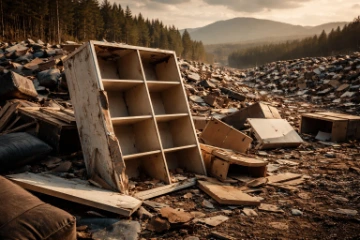
Each year, around 22 million pieces of furniture are discarded across the UK. Most go out as bulky waste, collected by councils and sent to landfill or incineration. A smaller share reaches charity shops or reuse centres, but donation rates remain low – many items arrive damaged or structurally unsound.
The real problem starts long before disposal. Cheap flatpack furniture built from laminated particleboard, polyurethane foam, and mixed synthetic fabrics is almost impossible to recycle. These composite materials cannot be separated easily, so the whole piece gets binned. A £60 bookcase that warps within three years will be replaced, and the entire manufacturing cycle – raw material extraction, factory emissions, freight shipping – starts again.
A solidly built oak sideboard, by contrast, might outlast several owners. That single item absorbs its production footprint once, not repeatedly. Short lifespans effectively multiply environmental costs.
How Better Materials Support Longer Furniture Life
Reclaimed timber is one of the most straightforward ways British makers reduce pressure on virgin resources. Wood salvaged from old barns, factories, or demolished buildings carries embodied energy from its original processing – using it again avoids that cost being spent twice. Makers like Retrouvius in London have built entire collections around reclaimed materials, proving the approach is commercially viable, not just idealistic.
Recycled metal and reclaimed textiles also play a role, particularly in upholstered pieces and frame construction. The environmental benefit depends heavily on quality. Recycled inputs used in low-grade construction rarely extend a product's life.
For new timber, FSC certification remains the clearest signal that wood has been sourced from responsibly managed forests. UK shoppers should look for the full FSC logo rather than vague claims like "sustainably sourced," which carry no verified standard.
Design, Reuse, and Circular Systems Keep Furniture Working Harder
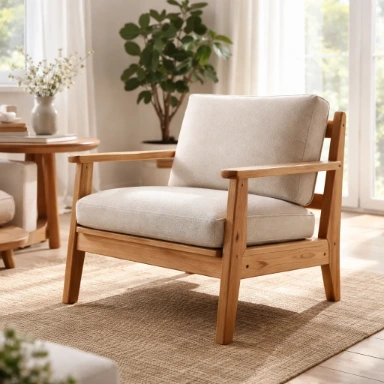
Good construction is the starting point. Solid wood joinery, replaceable upholstery, and nontoxic finishes all extend a piece's usable life considerably. Timeless styling matters too – a chair that doesn't look dated in a decade rarely ends up in a skip.
When pieces do leave a home, donation and resale networks keep them circulating. British organisations like the British Heart Foundation Furniture & Electrical and local reuse charities collect and resell hundreds of thousands of items annually, diverting waste from landfill.
Refurbishment schemes and material recovery services go a step further, breaking down unusable pieces for component reuse. These efforts sit within a broader push toward a circular economy – one where furniture cycles through homes rather than ending in disposal.
Before buying or discarding, consider:
- Solid frame construction and replaceable parts
- Repairability and availability of spare components
- Nontoxic, durable finishes
- Timeless design over trend-led styling
- Resale or donation potential
Longer Use Is the Most Sustainable Furniture Choice
Buying well, caring properly, and passing things on when you're done – these habits do more for the environment than any single material choice. Eco-friendly credentials matter, but a beautifully certified piece that ends up in a skip after five years achieves very little. Keeping furniture in use through repair, resale, and donation is where the real environmental gains are made. Furniture Restoration can help extend the useful life of older pieces rather than replacing them. Britain's growing circular economy depends on exactly this kind of thinking – treating furniture as something worth maintaining rather than replacing. Whether that means reupholstering a worn armchair, selling through a local resale platform, or simply buying secondhand in the first place, every decision to extend a piece's life reduces demand for new production and keeps materials out of landfill.