Adapting Furniture for Future Use
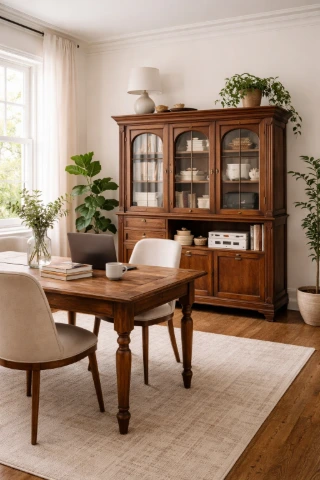
Not every inherited piece will suit the way modern homes are used. Large cabinets, desks and dining tables can sometimes be adapted for contemporary storage, working or living spaces, giving them practical value without completely changing their original character.
The key is making changes that are appropriate and, where possible, reversible. This allows the furniture to remain useful without sacrificing the features that make it distinctive in the first place.
Repurposing Old Furniture
Some furniture no longer has a practical use in its original form, but that does not mean it needs to be thrown away. Old tables, cabinets and chests can be converted into new storage, workspaces or decorative features. It all depends on how the owner wants to use the piece, or which parts of it they would like to integrate into new designs, and how much of the original build can still be used for the furniture's new purpose.
This can retain the original timber and craftsmanship while creating something that fits better into a modern home. It is another way of making traditional furniture sustainable, rather than treating it as something that has simply reached the end of its useful life.
Conserve, Restore or Complete Redesign?
There are several ways to approach older furniture. Conservation focuses on preserving what is already there, using traditional methods and keeping as much of the original material as possible.
A restoration job focuses more on functionality, and the repair job may involve completely replacing materials or components of the original build.
Redesign takes a more flexible approach, adapting the furniture for a completely different purpose. A valuable antique may warrant careful conservation, while a family table that has spent years unused could be better suited to restoration or adaptation.