Why Replace When You Can Restore?

Traditional furniture has a character that modern mass-produced pieces try to emulate but can never fully embody. Households all over the UK fashion their homes with these items, and they are not just the reserve of history enthusiasts or designers who value aesthetics over function. Traditional furniture has a place in modern homes, and with original materials and time-tested crafts, they are designed to last.

But when they do eventually wear down, as all furniture does at some point, it can be a hassle to fix them. They don't really have the same modular, prefabricated build of modern furniture, and repair jobs generally require experts. And that is where we come in. Our goal is to simplify this entire process before you write off your antique cabinet or family heirloom table. Restoring these is actually far more straightforward than it seems, and with the right experts, you can give the furniture a new lease of life, with bespoke crafting to create something that feels both timeless and functional for your needs today.

Types of Restoration Jobs

A restoration does not necessarily mean revarnishing a table, fitting new wooden joints into a chair, or ordering new upholstery to redo a sofa. It can be those things, but the furniture can also be adapted to your purposes, or completely redesigned for another function entirely. Rather than making something merely look good, or trying to make it look brand new, a restorer can tweak the design elements to make the furniture fit better, change finishing or structural elements to tweak the purpose, or take those components and build something entirely new.

It all depends on the materials used, the building technique, and the condition of the furniture. Sometimes, a salvaging job is the most an old piece of furniture can offer. But, what tends to be more often the case, the restoration job only requires dedicated experts who can craft something far more valuable and durable than the premium mass-produced furniture that is made today.

Repairing

Repairing is usually focused on fixing a particular problem and returning the furniture to a usable condition. This could involve tightening a loose joint, replacing a broken component, repairing a damaged frame or restoring a leg that has become unstable.

The work can be relatively straightforward, but traditional furniture often requires specialist knowledge. Understanding how the original piece was constructed helps ensure that the repair strengthens the furniture without unnecessarily changing its character.

Restoring

Restoration is a more extensive process, where the objective is to bring an older piece closer to its original condition or appearance. This can involve repairing structural damage, replacing worn components, restoring traditional finishes or reupholstering a chair. The materials and methods used will often be selected according to the period and construction of the furniture.

Importantly, restoration does not always mean removing every sign of age. Some marks, changes in colour and other features can be part of the furniture's history, and removing them can actually take away some of its character.

Reuse

Reuse takes a broader approach. Instead of necessarily restoring a piece to its original condition, the furniture can simply be kept in use. An old dining table can move to another room, a cabinet can become useful storage, or an inherited desk can be adapted for a modern home office. The furniture does not have to look exactly as it did when it was first made.

This is often one of the simplest ways to extend the life of existing furniture. It can also allow pieces that are no longer fashionable to become practical again.

Upcycling

Upcycling involves making more substantial changes to an existing piece, often transforming it into something different. This might involve repainting, altering the structure or combining components from different pieces. An old cabinet could become a new storage unit, while parts of a damaged table could be incorporated into another item.

Upcycling therefore gives furniture a new purpose while retaining at least some of its original materials. It is particularly useful when restoring a piece exactly as it was would not be practical.

Furniture That Adapts to Your Needs
Furniture That Adapts

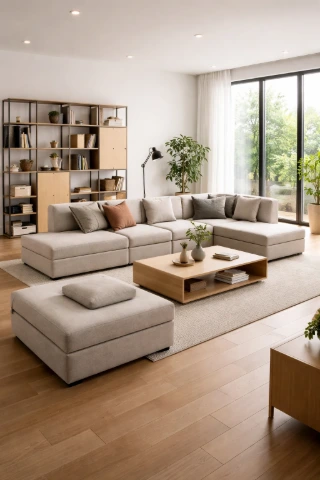
As lifestyles change, trends come and go, and the furniture requirements in households change, often so does the furniture. Traditional furniture, especially bulkier and solid builds, can become an obstacle there, especially when they are heavy and don't fit. However, with the right professionals and concept, these can actually be repurposed and redesigned, it all depends on how closely the owner wants to keep to the original build, the condition and practicality of the old materials, and where it will fit.

Sometimes, it is better to just sell or pass them on, especially when scrapping them for spare parts or components would destroy any sentimental or historic value. So there is definitely a balance here, and the more ambitious the project, the harder the decision. Consulting experts always helps in that context, as furniture reuse and adaptation is becoming more common, and they can help figure out workable solutions.

The UK's Approach to Reclaimed Furniture

Second-hand and reclaimed furniture has become a more common part of British homes. Rather than being seen purely as an alternative for people looking to spend less, older furniture can offer distinctive designs, traditional materials and a sense of character that is difficult to replicate with mass-produced pieces.

The UK's long history of furniture production also means there is a wide range of older furniture available. From traditional wooden chairs and cabinets to vintage 20th-century designs, these pieces can continue to have a role in modern homes.

The Art of Traditional Furniture Building

Restoration and reuse would not be possible without the specialist furniture-making skills that have developed in Britain over generations.

Traditional cabinetmaking and joinery remain important for repairing wooden furniture, particularly where the original construction needs to be understood before work can begin. Upholstery can restore worn chairs and sofas using traditional materials, while chair caning and rushing can repair seats that have deteriorated over time.

Woodturning is another important skill, producing rounded components such as legs, spindles and decorative features. Traditional finishing methods, including French polishing, waxing and oiling, can also bring an older piece back to life without relying on modern mass-production techniques.

These older building methods are becoming more niche, but there are still professionals who have the dedicated experience and tools to restore old furniture. It perhaps works better this way too, as each piece is crafted by hand and in its own way, unique, and so having local builders who value the sentimental and historic value of the items only lends to a better and more attentive job on restorations.